
Why You're Seeing More Spiders in Late Summer
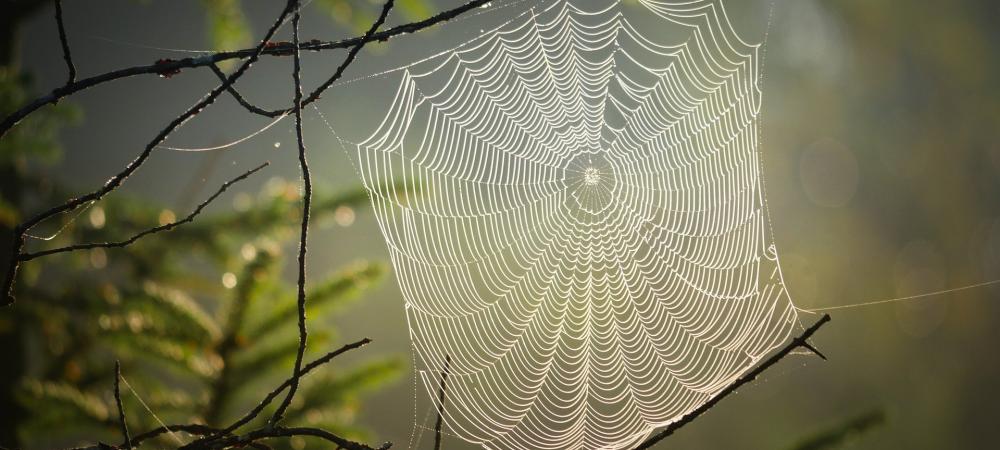
Spider sightings spike in August and September because spiders are reaching full size and searching for mates, not because a new population has moved in. Spiderlings that hatched back in spring have had all summer to grow, and by late summer they're large enough to actually notice. At the same time, mature males leave their webs to wander in search of females, which puts far more spiders out in the open where people see them.
Why Late Summer Is Peak Spider Season
Late summer marks the mating season for many common house spider species. Once a male reaches maturity, he abandons his web entirely and spends the rest of his life searching for a mate instead of hunting, which means he's moving across floors, up walls, and through gaps around doors and windows far more than he was a month earlier. Females, meanwhile, stay near their webs and often build larger ones as insect prey becomes harder to find, which is why webs seem to multiply around porches and eaves at the same time.
Myth: Spiders Move Indoors in the Fall to Escape the Cold
Spiders don't come inside to get warm. Most spiders that live outdoors are built to tolerate cold and stay there through the season, while the spiders homeowners find indoors are almost always species that never lived outside in the first place. Arachnologists estimate that fewer than 5% of spiders seen indoors have ever set foot outside, since house spiders typically enter a home once, as an egg sac carried in on furniture or building materials, and spend their entire life cycle inside the same structure.
Most house spiders are harmless. The vast majority of spiders found in and around homes pose no real danger and actually help by feeding on other household pests. A professional inspection is still worth having if you're seeing an unusual number of them or want a species confirmed.
Why Exterior Webbing Removal Matters
Removing webs from eaves and entry points does more than clean things up. A general pest control visit that includes exterior de-webbing clears out active webs up to 20 feet high along the roofline, where spiders build new webs close to porch lights and other insects they feed on. Regular removal disrupts that cycle and keeps new webs from reestablishing in the same spots visit after visit.
Common Questions About Late-Summer Spiders
Are the spiders I'm seeing dangerous?
Almost always no. The overwhelming majority of house spiders can't bite through human skin or aren't medically significant if they do. A technician can identify a specific species during an inspection if you're concerned about one in particular.
Will spiders go away on their own once fall arrives?
Activity does taper off as mating season ends and temperatures drop, but any spiders already established indoors, along with their egg sacs, will still be there. A quiet fall doesn't mean the population indoors has changed.
Does cleaning up clutter actually reduce spiders indoors?
Yes, to a point. Clutter in basements, garages, and storage areas gives spiders places to hide and hunt, so reducing it removes habitat. It won't address an established population or an exterior web problem on its own.
Is professional treatment necessary for spiders, or is DIY enough?
A few spiders in a garage or basement usually don't need more than a vacuum. Frequent sightings throughout the house, an unusual number of webs outside, or concern about a specific species are all good reasons to have a technician take a look, since general pest control addresses the insects spiders are feeding on as well as the spiders themselves.
Seeing more spiders than usual around your home, or want a specific one identified? Call Frontline Pest Control at 877-378-7280 and we'll help you figure out the right next step.
Clear the Webs, Not Just the Spiders
Frontline's general pest control visits include exterior de-webbing along eaves and entry points, so new webs have a harder time coming back.
See General Pest Control