
Does Removing Spider Webs Get Rid of Spiders?
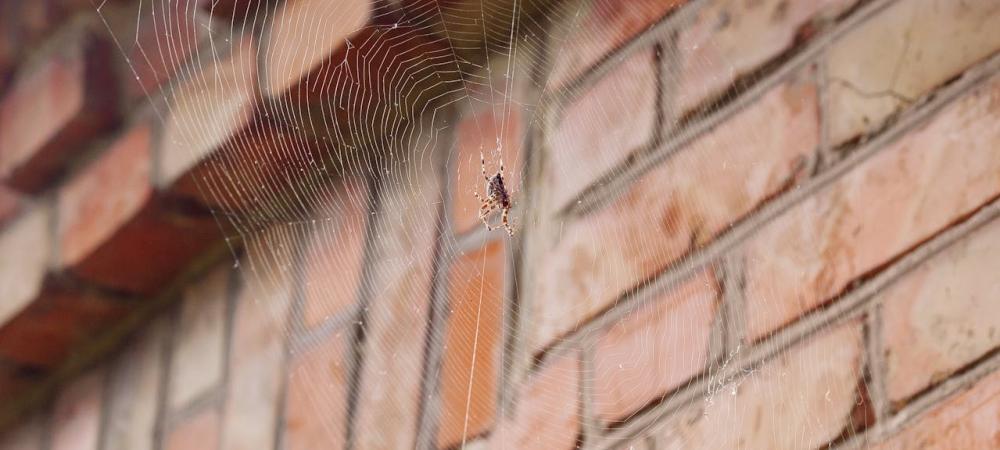
Removing a Spider Web Does Not Get Rid of the Spider
Removing a spider's web does not eliminate the spider in almost every case; the spider rebuilds in the same location within 24 to 48 hours if conditions there remain favorable. Spiders choose web locations deliberately, based on prey availability, airflow patterns, and protection from disturbance. Removing the web removes the structure, but not the reason the spider built there in the first place. If you knock down the same web repeatedly, the spider may eventually relocate, but typically to another spot within the same structure, not out of the building.
Web removal is a useful maintenance step for keeping visible areas clear, and it does disrupt egg sacs if they're included in what's removed. But as a standalone pest control strategy, it doesn't address why spiders are present or prevent new ones from arriving.
Why Spiders Build Webs and What Their Location Tells You
Spiders build webs to catch prey, to shelter eggs, and sometimes to rest. A web in a specific location is there because that location has proven productive for at least one of those purposes. The most common web locations inside homes, basement ceiling corners, window frames, behind appliances, and around light fixtures, are productive precisely because insects are present nearby.
A web at a basement window frame typically means flying insects are entering through or near that window. A web behind a refrigerator usually means a reliable food source (crumbs, grease) is attracting the insects that the spider is feeding on. A web near an exterior light fixture means the light is drawing insects, which draws the spider. In each case, the web's location is diagnostic: it points to the pest condition driving spider activity.
What Happens When You Destroy a Spider's Web
The spider survives. Destroying a web causes zero harm to the spider itself. Spiders are highly resilient and don't rely on a single web for survival, they can rebuild, relocate, or hunt without a web (wolf spiders and jumping spiders don't use webs at all).
The spider typically rebuilds in the same spot. Web-building spiders will return to a productive location and rebuild within a day or two. A cellar spider in a basement corner that hasn't been disturbed in weeks can rebuild a fully functional web in a few hours.
Repeated destruction may cause relocation within the same structure. If a location is disturbed frequently enough, some species will move to a quieter area of the same building. This is a temporary measure, not a solution.
Egg sacs are the exception. If a web contains an egg sac (a small, round silk pouch that may be attached to the web or nearby surface), removing and disposing of the web outside the structure removes that cohort of future spiders before they hatch. This is worth doing if you find egg sacs, dispose of them outside, away from the home.
How to Actually Get Rid of Spiders
Getting rid of spiders requires addressing the conditions that attract them, not just the spiders and webs you can currently see.
- Reduce the insect population. Spiders are predators that follow prey. Every spider indoors is there because insects are accessible nearby. Eliminating insects through general pest control targeting flies, gnats, ants, and other small insects removes the food source driving spider activity more effectively than any spider-specific treatment.
- Seal entry points. Spiders enter through the same gaps insects use: gaps at door sweeps, cracks in the foundation, around utility penetrations, and at window frame perimeters. Caulking and weatherstripping applied at these locations reduce entry for both spiders and their prey.
- Reduce interior harborage. Spiders nest where they won't be disturbed, behind stored boxes in garages, in cluttered closets, in undisturbed corners of basements and attics. Switching from cardboard boxes to sealed plastic bins, vacuuming regularly in low-traffic areas, and reducing clutter in storage spaces removes both spiders and egg sacs before populations establish.
- Manage outdoor lighting at entry points. Exterior lights near doors and windows attract flying insects, which draw spiders to the same entry points. Replacing white bulbs with yellow or amber LED bulbs near exterior doors reduces insect attraction and the spider activity that follows.
- Professional pest control. If spider activity is persistent or widespread, or if you're finding black widows or suspected brown recluse spiders inside your home, professional treatment addresses both the spider population and the broader insect environment contributing to it.
How to Remove Spider Webs Safely and Effectively
If your goal is to clear webs from an area, particularly ahead of treatments or regular cleaning, here's the most effective approach:
Vacuum with the hose attachment. A vacuum is the most effective tool for removing webs and any attached egg sacs. The hose attachment reaches corners, ceiling edges, and areas behind furniture without scattering debris. Empty the vacuum canister outside the home after use.
A duster or broom for high webs. For webs on high ceilings or in areas where a vacuum isn't practical, a duster with a long handle or a stiff-bristled broom works well. Sweep the web into a trash bag rather than scattering it onto the floor.
Dispose of collected material immediately. Egg sacs brought inside the trash can may hatch. Dispose of collected webs and debris in an outdoor trash container or sealed bag.
FAQ
Do spiders die if you destroy their web? No. Destroying a web causes no harm to the spider. Spiders either rebuild in the same location or relocate within the structure. The only effect of web removal on spider populations is the incidental removal of egg sacs, which can prevent future spiders from hatching if the egg sacs are disposed of outside the building.
Why do I keep finding spider webs in the same spots? Those locations are consistently productive for the spider, meaning insects are reliably present nearby. The web's location is the clue: it points to an insect source (a leaking pipe, a food spill, an entry point drawing flying insects) that's worth finding and addressing.
Are spiders in my home a sign of a pest problem? Yes, in a practical sense. Indoor spider activity indicates that insects, the spiders' food source, are present and accessible. A home with persistent spider activity in multiple areas has an underlying insect population worth investigating and treating. In that sense, spiders are a reliable indicator of broader pest conditions, not just a standalone nuisance.
Seeing persistent spider activity in your home, or finding webs in the same places no matter how many times you remove them? Call Frontline Pest Control at 877-378-7280. We'll treat both the spiders and what's drawing them in.